Brain Injury Matters was established in 2013 to support and empower children, adults, carers and families affected by acquired brain injury.
Brain Injury Matters has earned a reputation for developing and delivering a range of innovative programmes and initiatives led by a dedicated team of passionate, caring and experienced professionals for individuals affected by brain injury, their carers and wider community.
Health and Well-Being Programmes
Brain Injury Matters offers a range of wellbeing programmes throughout the week designed specifically for adults living with brain injuries either in our centre in Belfast or through our Friday Pedal Power Sports programme in East Belfast. These programmes aim to improve various aspects of life, including cognitive and physical health, and support social and emotional health and well-being, aiding recovery and rehabilitation.
Cognitive Benefits:
Improved Cognitive Function: Creative activities like music, art, or drama stimulate different areas of the brain, which can aid in enhancing memory, attention, problem-solving, and executive functions (such as planning and decision-making). These activities often require individuals to engage multiple cognitive processes, improving overall mental flexibility.
Neuroplasticity: Engaging in creative and performance arts encourages the brain to form new neural connections. This process, known as neuroplasticity, helps the brain compensate for damage by reorganising itself and adapting new ways of functioning. For individuals recovering from brain injuries, this can result in improvements in thinking, memory, and learning abilities.
Enhancing Communication Skills: Many creative arts activities, such as drama, poetry and creative writing require verbal expression, helping individuals to work on language and communication skills. This is especially important for those who have experienced speech or language impairments following a brain injury.
Focus and Attention: Creative and performance arts often require concentration and sustained attention. Practicing activities like painting, playing an instrument, or engaging in role-playing can help individuals with brain injuries develop their focus, which can be beneficial in daily tasks and social interactions.
Physical Benefits
Improved Motor Skills: Artistic activities like painting, sculpting, yoga, tai chi or even dancing can help individuals with brain injuries refine their fine and gross motor skills. The act of manipulating materials or moving the body in performance art helps with coordination and motor control.
Sensory Integration: Art and performance activities stimulate the senses, which can aid in improving sensory processing. For example, tactile experiences in sculpting or painting, or listening to music and responding through movement, can help individuals develop better sensory integration.
Improved Physical Fitness and Mobility: Performance arts like dance, theatre, and movement-based activities can promote physical fitness and enhance mobility. These activities also help individuals build strength, endurance, and flexibility, which is important for their overall physical recovery.
Social and Emotional Benefits:
Building Confidence and Self-Esteem Creative and performance arts provide a safe space for individuals to express themselves, which can significantly boost their confidence and self-worth. Successfully completing a creative project or performing in front of others can lead to a sense of achievement and a promotion of inclusivity across communities and create a sense of belonging and acceptance.
Reducing Anxiety and Depression: Participating in creative activities has been shown to reduce stress, anxiety, and depression. The sense of accomplishment, social connection, and emotional expression involved in the arts can have a therapeutic effect, helping individuals cope with the challenges that come with brain injuries.
Social Interaction and Peer Support: Brain Injury Matters’ wellbeing programmes often include group activities where participants can interact with others who have experienced similar challenges. This social connection fosters a sense of community and reduces feelings of isolation, which can be common among those recovering from brain injuries.
Emotional Expression: Art and performance provide an outlet for individuals to express their emotions in a constructive way. This is particularly helpful for individuals who may struggle to articulate their feelings verbally due to cognitive or communication challenges caused by their brain injury.
Rotating programmes have included:
Choir: The Brain Injury Matters Choir is a key part of the wellbeing programmes offered by Brain Injury Matters, specifically designed to support individuals living with brain injuries. This choir provides participants with a unique opportunity to engage in music and singing, which have been shown to offer significant cognitive, physical, and emotional benefits for people recovering from brain injuries.
Horticulture: The horticulture programme is an important part of the wellbeing initiative use gardening and horticultural activities to promote cognitive, physical, emotional, and social benefits for participants. Engaging with nature through gardening can be particularly therapeutic for those recovering from brain injuries, offering a range of holistic benefits.
Ceramics programme: The Ceramics Programme focuses on the therapeutic and restorative effects of working with clay and other materials, offering participants an opportunity to engage in a hands-on, creative activity that has numerous cognitive, physical, emotional, and social benefits.
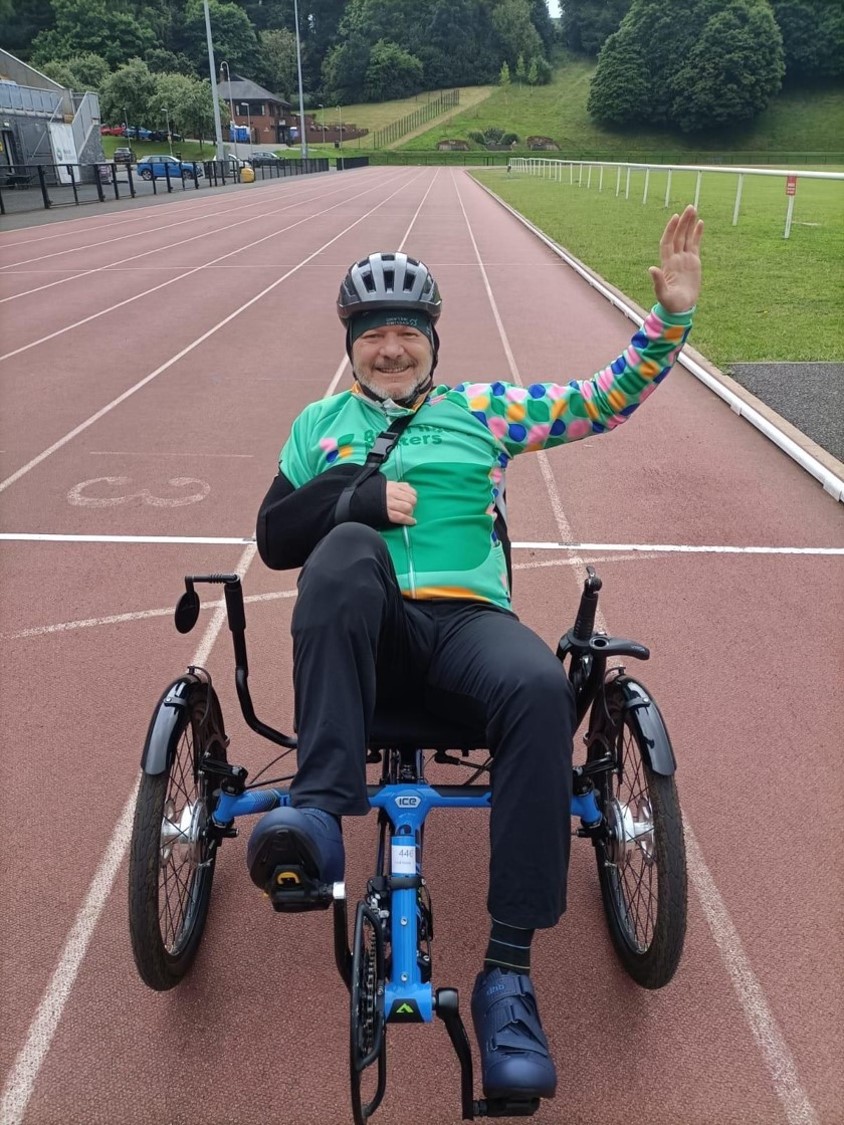
Pedal Power Cycle Programme: Pedal Power is a unique and innovative initiative designed to help individuals recovering from brain injuries improve their physical health, cognitive function, and overall well-being through cycling. The programme provides a safe, supportive environment where participants can engage in cycling activities across Belfast Greenways and parks in partnership with family and friends, offering a variety of physical, cognitive, and emotional benefits.
Tai Chi: The therapeutic impact of tai chi is designed to support individuals living with brain injuries by using the principles and practices of Tai Chi. Tai Chi, an ancient Chinese martial art known for its slow, controlled movements and meditative nature, offers numerous physical, cognitive, and emotional benefits. It is particularly beneficial for people recovering from brain injuries, as it provides a low-impact form of exercise that can improve physical well-being and mental clarity.
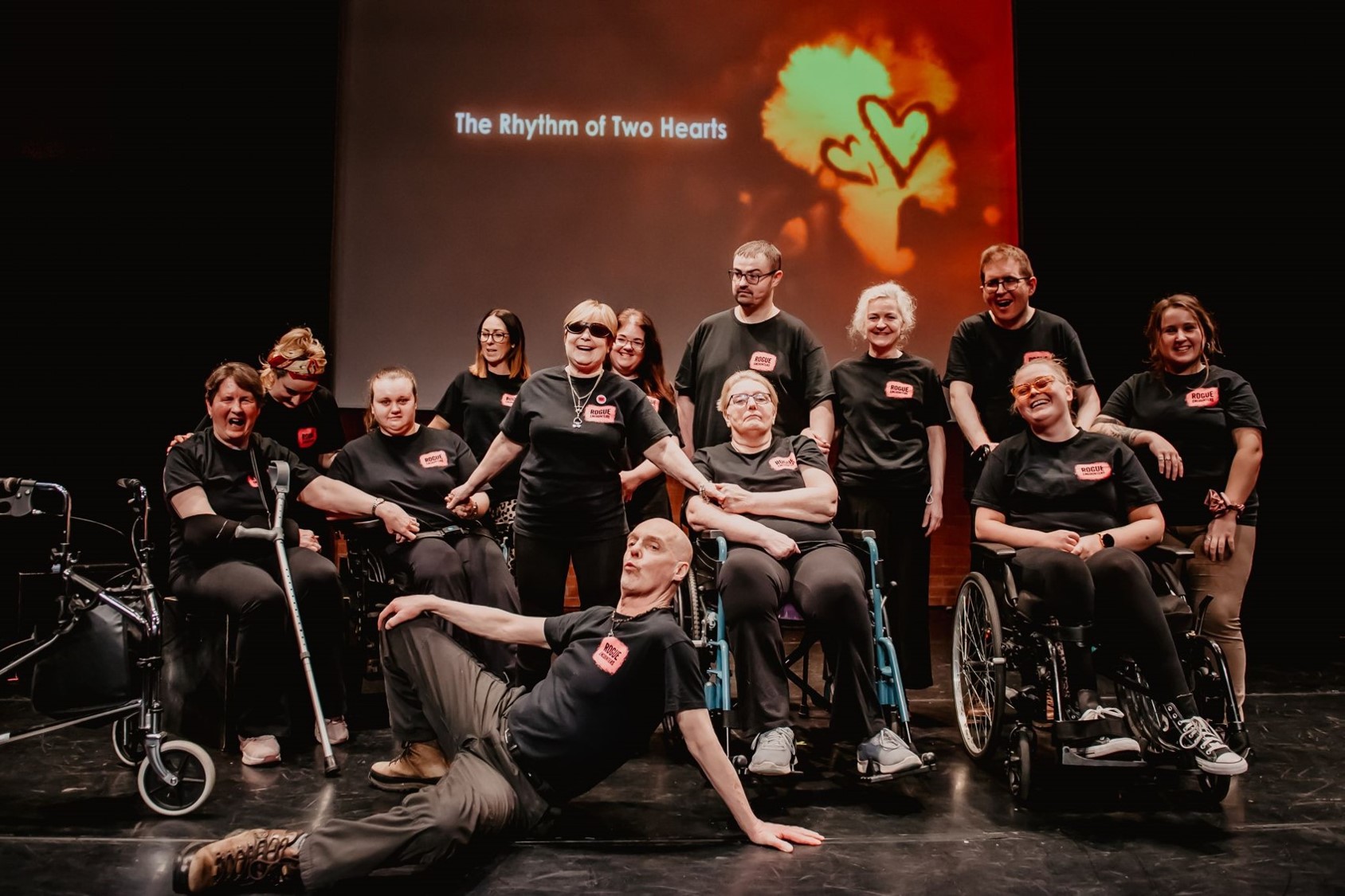
Performance Arts: The Performance Arts Programmes utilise the transformative power of performance arts, including drama, music, and movement, to support individuals in their cognitive, emotional, physical, and social journey
The Arts
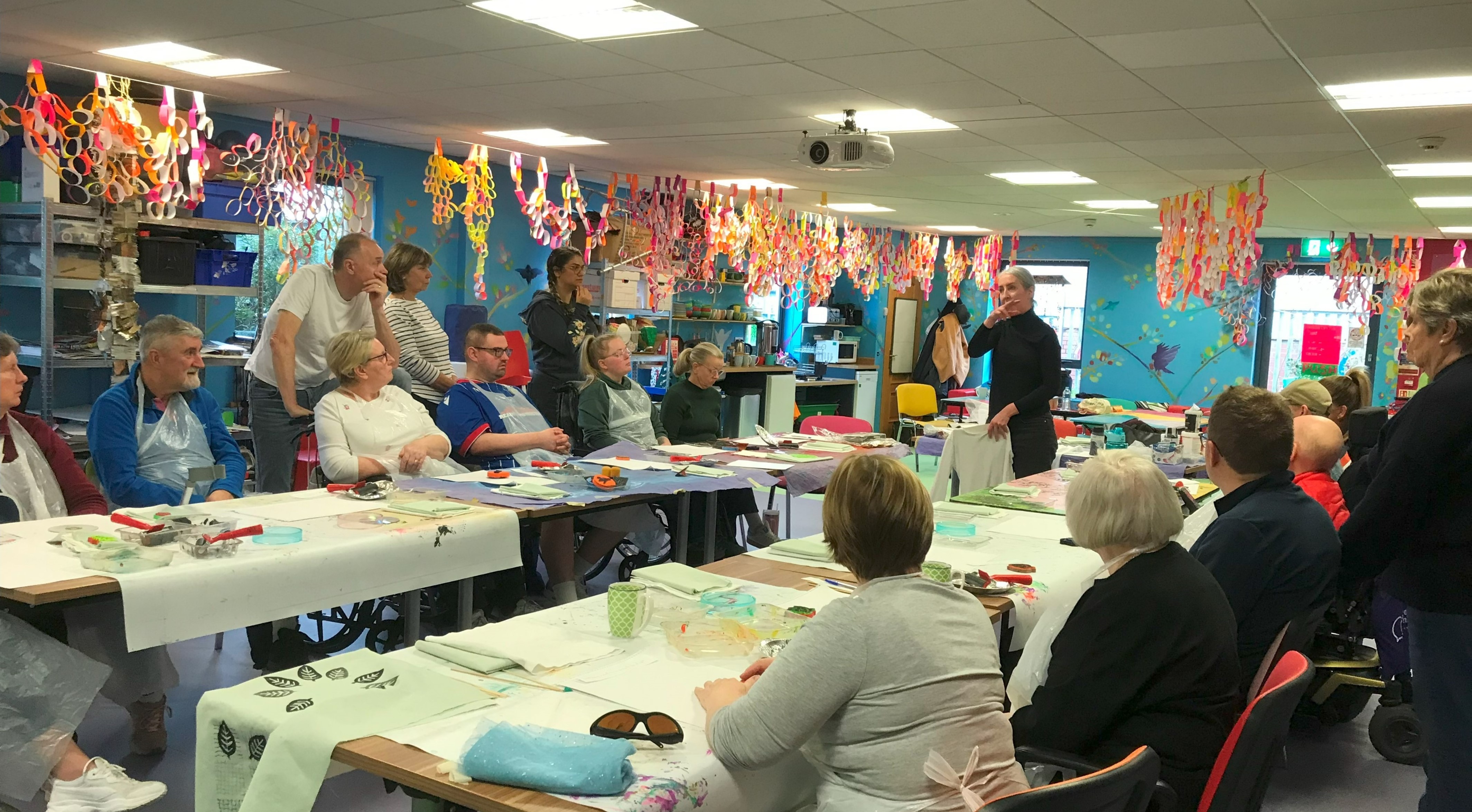
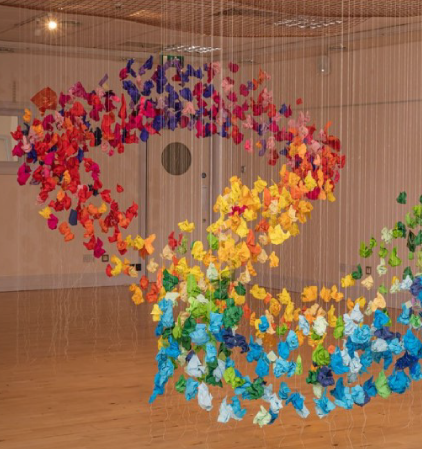
The Arts service provides the opportunity for people to explore their creative potential through participant led projects in our Studio Space with professional artists.
The projects range from visual arts, photography film, creative writing, poetry animation, drama, physical theatre, creative gardening as well as combined media. These are published, exhibited, showcased or at exhibitions, events and festivals throughout Northern Ireland and beyond.
This is so that people can develop and utilize their creative and artistic potential for their own benefit, but also for the enrichment of society (UNCRPD, 2006).
Brain Injury Matters’ wellbeing programmes offer numerous cognitive, physical, emotional, and social benefits for adults with brain injuries. These programmes help stimulate the brain, improve motor skills, promote emotional well-being, and encourage social interaction. Overall, they provide a holistic approach to recovery, supporting individuals in regaining independence and enhancing their quality of life.
Each programme works towards a measurable goal or outcome that gives a sense of achievement and accomplishment. Examples have included performances at the Lyric Theatre in Belfast, The MAC Belfast, performances in the Public Record Office of Northern Ireland (PRONI) and Grand Central Station as well as art exhibitions and installations at public buildings across Northern Ireland through to international exhibitions in North America.
Download a referral form:
Please complete a referral form and return via email to: